
Exploring the cultural tapestry woven by casinos across generations
The Historical Roots of Casino Culture
Casinos have long been a part of human civilization, tracing their roots back to ancient societies. The earliest forms of gambling can be found in ancient China, where tiles dating back to 2300 BC were discovered and believed to be used for a rudimentary game of chance. This early form of gambling laid the groundwork for the evolution of casinos as we know them today, transforming from simple betting activities to grand establishments that attract millions. Over time, various cultures incorporated their unique styles of games, contributing to the rich tapestry of casino culture.
As we moved through the ages, from the Roman Empire’s betting on chariot races to the lavish gaming houses of 17th-century Europe, casinos began to symbolize not just leisure but also social status and decadence. The establishment of places like the Casino di Venezia in Italy marked the formal recognition of casinos as entertainment venues, showcasing opulence and attracting the affluent. This evolution illustrates how casinos have served as a mirror reflecting the values and lifestyles of the societies around them.
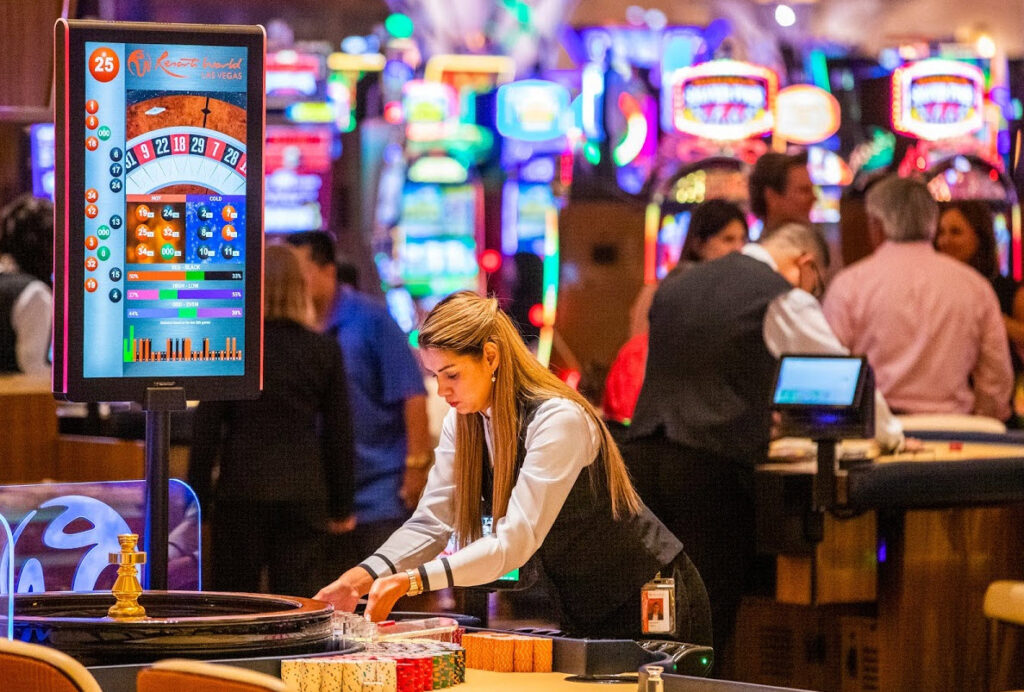
In the United States, the cultural significance of casinos blossomed in the early 20th century with the rise of Las Vegas as a gambling hub. The glitzy neon lights and extravagant shows transformed the perception of casinos from mere places of gambling to complex entertainment destinations. This shift not only attracted gamblers but also tourists seeking immersive experiences, further embedding casinos into the cultural fabric of American life. This historical trajectory highlights the ever-changing nature of casinos and their ability to adapt to societal trends over generations.
Casinos and Cultural Identity
Casinos are not merely places for gambling; they serve as cultural touchstones, shaping and being shaped by the identities of communities. For example, in regions like Monte Carlo, the casino symbolizes luxury and refinement, attracting high-profile clientele and becoming a part of the local identity. Conversely, Native American casinos in the United States embody a different narrative, representing self-determination and economic opportunity for Indigenous communities. These establishments have become crucial in preserving cultural heritage while providing financial stability.
The interplay between casinos and culture can also be seen in how they adapt games to reflect local traditions. In Macau, the fusion of Western gambling with Chinese customs has birthed unique gaming experiences, such as the integration of traditional Chinese games into casino offerings. This adaptability allows casinos to resonate with local populations while still drawing in international visitors, illustrating the dynamic nature of culture in these venues.
Moreover, casinos often serve as a venue for cultural events, showcasing local art, music, and cuisine. By hosting performances, exhibitions, and culinary festivals, they become vital cultural hubs that foster community engagement. This role in promoting local culture enhances their appeal, creating a multifaceted environment where gambling and cultural expression coexist, thereby strengthening their significance across generations.
The Role of Technology in Casino Culture
Technology has revolutionized the casino industry, transforming the gaming experience and expanding its reach across generations. The advent of online casinos has made gambling more accessible, allowing players to engage with their favorite games from the comfort of their homes. This shift has democratized access to gaming, attracting a younger demographic that may not have previously participated in traditional casino environments. Online platforms offer diverse games, appealing designs, and user-friendly interfaces, fostering a new wave of gaming culture.
Furthermore, the integration of advanced technologies such as virtual reality (VR) and augmented reality (AR) is reshaping how players experience casinos. These innovations create immersive environments where players can interact with games and other players in a virtual space, enhancing the thrill of gaming. Casinos are now competing not only with one another but also with the digital entertainment sector, pushing them to evolve continually and adopt new technologies to retain players’ interest.
Another significant technological advancement is the use of data analytics and artificial intelligence in understanding player behavior. Casinos can now tailor their offerings based on player preferences, creating personalized experiences that enhance customer loyalty. By utilizing technology to improve service delivery and game design, casinos are weaving a new chapter in their cultural tapestry, ensuring they remain relevant in an ever-changing landscape.
Social Dynamics Within Casinos
The social fabric of casinos is intricate, as they bring together individuals from various backgrounds, fostering interactions that can lead to memorable experiences. The atmosphere of excitement and anticipation creates a unique social dynamic, where strangers become acquaintances, and friendships can blossom over a shared game. This social aspect transcends mere gambling; it involves the exchange of stories, laughter, and camaraderie, making the casino experience rich and diverse.
Moreover, casinos often act as social equalizers, where people from different walks of life congregate, united by the thrill of the game. This melting pot of cultures and social classes can lead to the breaking down of societal barriers, as individuals engage with one another on common ground. The shared experience of winning or losing creates a sense of community that enhances the overall ambiance of the casino.
Events and tournaments also play a significant role in enhancing social dynamics. Many casinos host competitions that attract both amateur and professional players, creating opportunities for skill development and networking. These events not only heighten the sense of competition but also cultivate a strong community spirit, allowing players to forge connections that extend beyond the gaming tables, thereby enriching the cultural experience within casinos.
Exploring TuffPuff Casino and Its Cultural Impact
TuffPuff Casino, launched in 2026, stands as a vibrant example of how modern online platforms are continuing to weave the cultural tapestry of casinos. With an extensive library of over 10,000 games, including slots and live tables, TuffPuff caters to a diverse audience, ensuring that both casual players and high rollers find something appealing. The introduction of gamification elements such as achievements and a VIP program further enhances user engagement, creating a unique cultural experience in the online gaming realm.
The casino’s emphasis on community is evident through its reward shop, allowing players to redeem achievements for tangible benefits, fostering a sense of belonging and competition. This innovative approach not only enriches the gaming experience but also contributes to the growing narrative of how online casinos are adapting traditional elements of gambling to fit modern preferences. The seamless mobile play feature ensures that players can enjoy their favorite games anytime and anywhere, reinforcing the casino’s commitment to accessibility.
As TuffPuff Casino continues to evolve, it represents the next chapter in the ongoing cultural dialogue surrounding casinos. By embracing technology and community engagement, it is contributing to a dynamic landscape that honors the historical significance of casinos while adapting to the needs of contemporary players. The future of casinos lies in their ability to blend tradition with innovation, and TuffPuff is a prime example of this fusion in action.
